When a team isn’t communicating well, feels disconnected, or just isn’t working together the way it should, one of the first ideas that often comes up is team building.
Maybe an escape room. A happy hour. Bowling. A team dinner. Some kind of activity that gets everyone out of the office and spending time together.
And there’s nothing wrong with any of those things.
But team building and team development workshops aren’t the same thing.
Team building typically focuses on creating a shared experience and giving people an opportunity to connect. A team development workshop is intentionally designed to help a team improve how they communicate, build trust, navigate challenges, and work together.
Both can have a place in a healthy workplace culture. The important part is knowing what your team actually needs.
What is team building?
Team building is usually centered around an activity or shared experience.
Think Topgolf, an escape room, a cooking class, a volunteer day, or even a great team lunch.
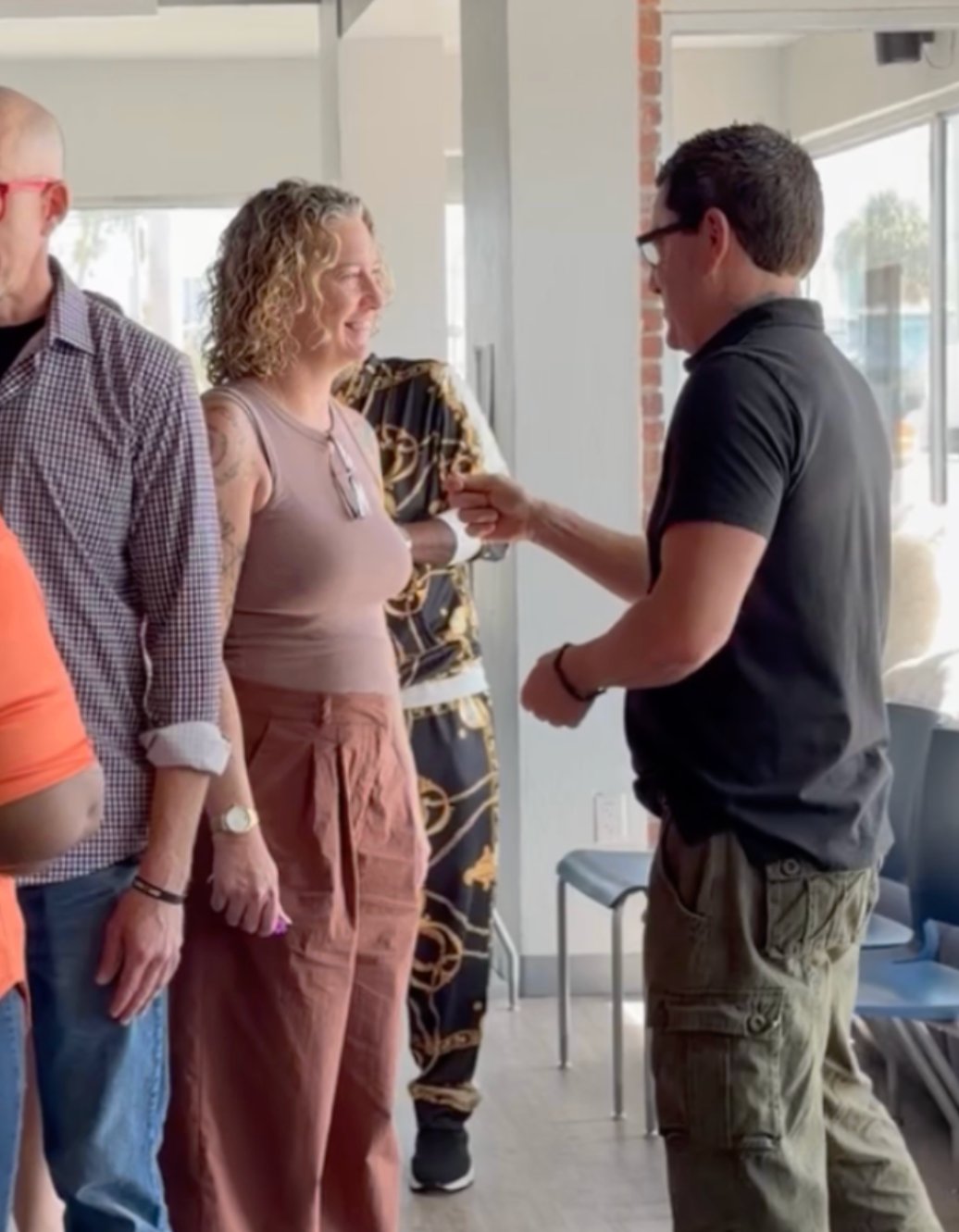
These experiences can be valuable. People get away from their desks. They talk to coworkers they may not normally interact with. They laugh together. They learn something new about each other.
That matters.
I am a huge believer that genuine connection makes teams stronger. Sometimes people really do just need an opportunity to spend time together without an agenda.
But team building has limitations.
If there is tension between departments, people are avoiding difficult conversations, communication is breaking down, or no one feels comfortable speaking up, an afternoon of bowling probably isn’t going to solve it.
You might have a great afternoon together and come back to work Monday with the exact same problems.
What is a team development workshop?
A team development workshop has a different purpose.
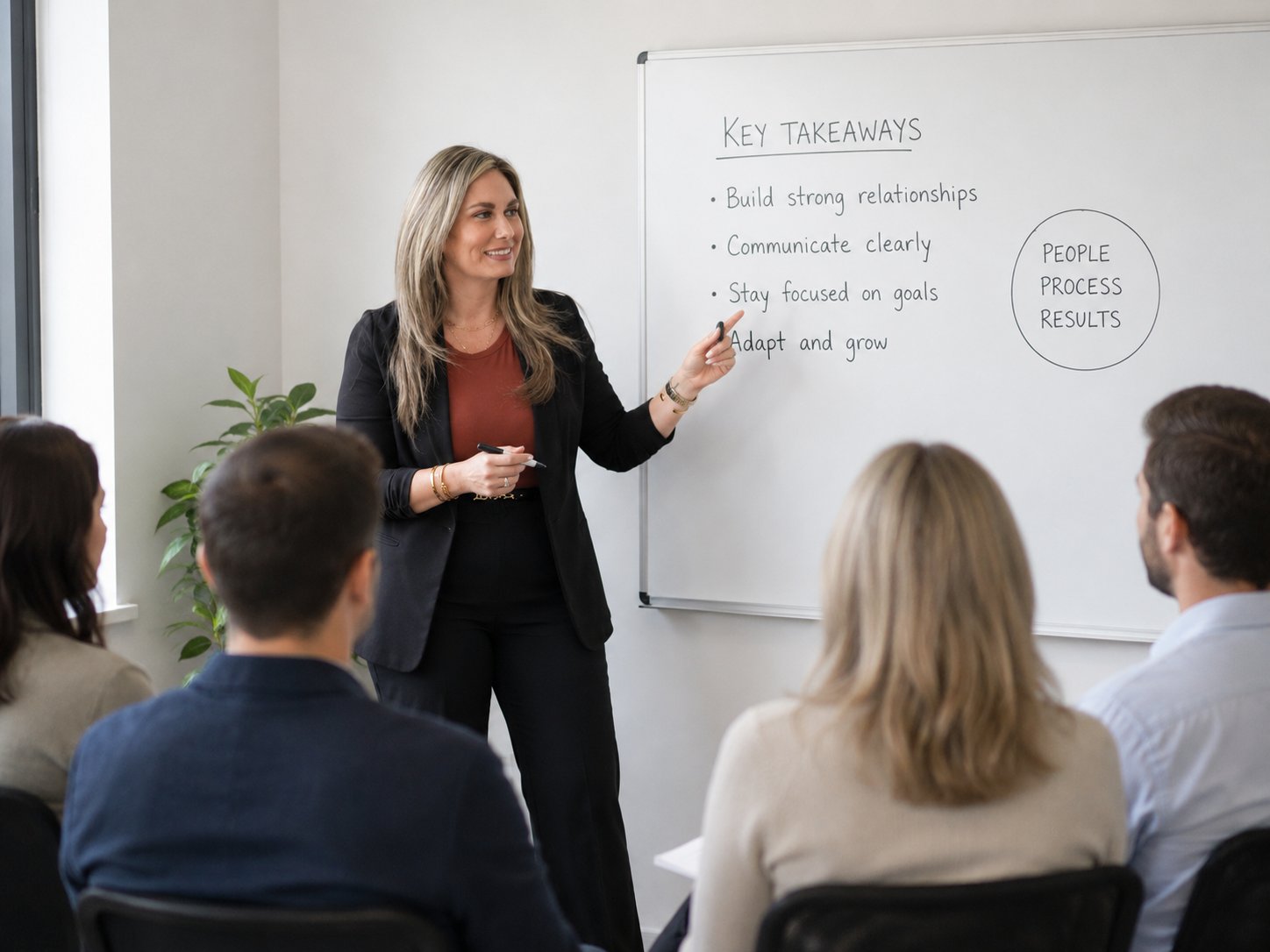
A team development workshop is a facilitated experience designed around a specific team’s needs, with activities, conversations, reflection, and practical tools that help people work better together.
The goal isn’t simply to have fun together.
It’s to create the time and space to actually work on the team, not just the work.
That might mean working on communication.
It might mean rebuilding trust.
It might mean helping people understand how differently their coworkers think, communicate, or approach problems.
It might mean breaking down silos between departments.
Or sometimes, it means giving a team that is already doing pretty well an opportunity to become even stronger.
And yes, people should still laugh.
A workshop doesn’t have to mean sitting around a conference table staring at another PowerPoint for three hours. In fact, I don’t think it should.
The best team workshops get people talking, moving, thinking, connecting, and seeing their coworkers a little differently than they did when they walked into the room.
Team building vs. team workshops
The easiest way to think about the difference is this:
“Team building creates an experience together. Team development intentionally improves how the team works together.”
A team-building activity might help coworkers learn that they both love the Chiefs or have kids the same age.
A team workshop might help those same coworkers realize that one of them needs time to process before answering a question while the other tends to think out loud.
Both discoveries create connection.
But the second one can actually change the way they work together.
That’s the difference.
When does team building make sense?
Sometimes your team really does just need to have some fun.
Maybe everyone has been working incredibly hard. Maybe you’ve finished a huge project. Maybe you’ve hired several new people and want everyone to get to know each other.
Celebrate.
Take them somewhere.
Feed them.
Give people permission to stop talking about work for a few hours.
Not every team gathering needs a deeper objective.
When does your team need something more?
There are also times when another team outing probably isn’t going to address what’s happening.
Your team may benefit from a facilitated workshop if:
- Communication keeps breaking down.
- People are working in silos.
- There is tension that no one is really addressing.
- Team members don’t feel comfortable speaking honestly.
- Expectations or accountability are unclear.
- Different communication styles are creating friction.
- The team has experienced significant growth or change.
- People work together every day but don’t actually know each other very well.
- Leadership wants to strengthen the team before small problems become bigger ones.
And there doesn’t have to be a crisis.
That’s important.
Team development isn’t only for dysfunctional teams.
Healthy teams need attention too.
You don’t have to choose between connection and development
This is probably where my philosophy is a little different.
I don’t think team development has to feel corporate.
And I don’t think team building has to be meaningless.
You can create an experience where people laugh, move around, talk to someone they don’t normally work with, learn something about themselves, and walk away with something that makes Monday morning better.
That’s what I want from a workshop.
People don’t need more corporate jargon. They need a room.
A room where they have permission to step away from the task list for a few hours and pay attention to the people they accomplish all of that work with.
Because we spend a lot of time working in our teams.
Sometimes we need to work on them, too.
What happens in a Better Teams Workshop?
My Better Teams Workshop is a customized three-hour team development experience built around the actual team in the room.
Before the workshop, I meet with leadership to understand what’s happening, what the team needs, and what we’d like people to walk away with. Participants complete a short pre-workshop survey so I’m not walking into the room guessing.
Then we build the experience around them.
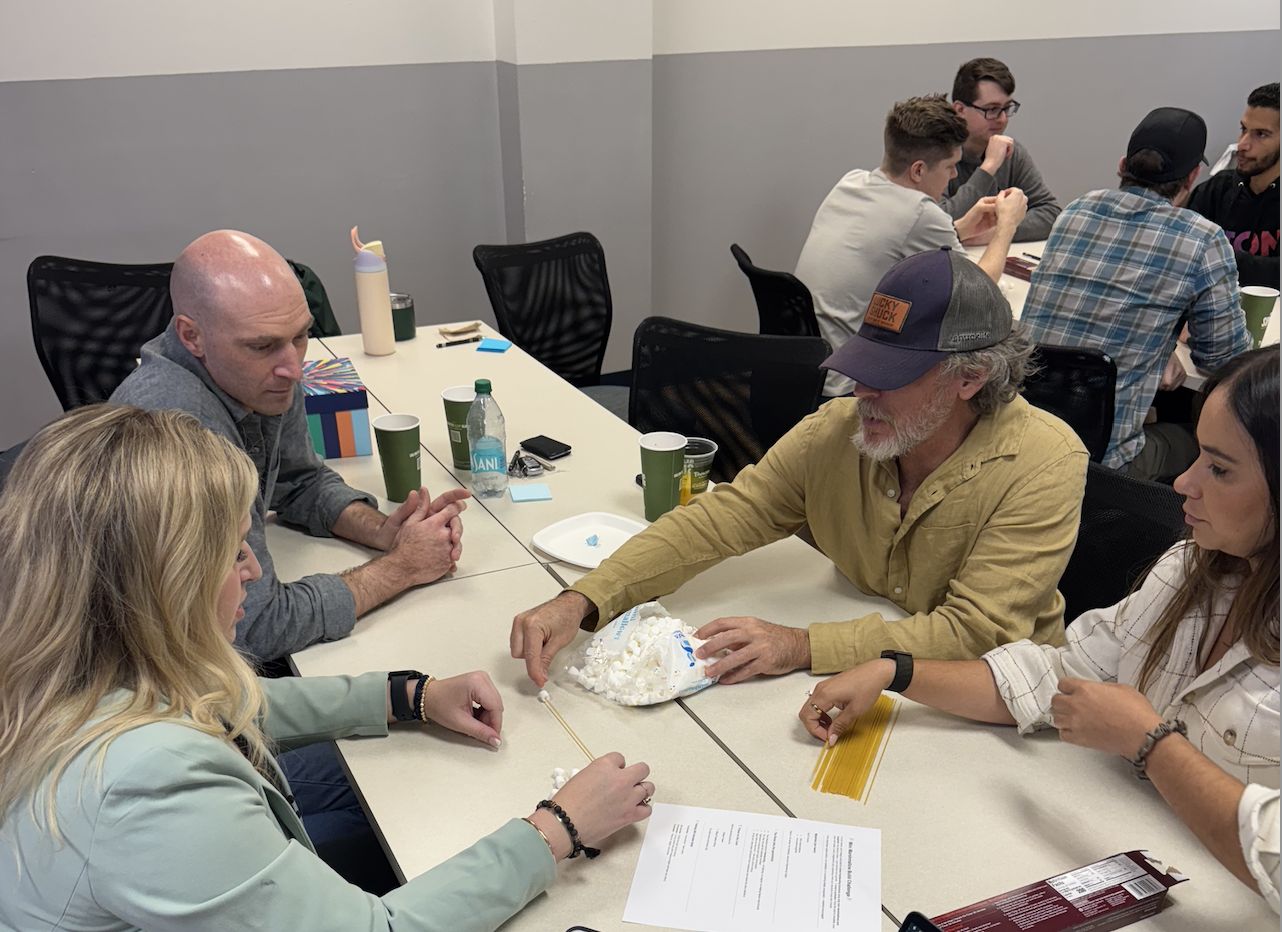
There are interactive activities, small-group conversations, movement, reflection, cross-functional connection, laughter, and practical debriefs that connect what happens in the room back to the way people actually work together.
Afterward, participants complete a post-workshop survey so we can see what shifted and identify where the team may still need support.
It’s not forced fun.
It’s not three hours of slides.
And it’s definitely not me walking into the room and telling everyone what’s wrong with their culture.
It’s intentional time to help people communicate better, build stronger connections, and work better together.
I facilitate Better Teams Workshops for organizations throughout Palm Beach County and South Florida, and I travel for teams outside the area.