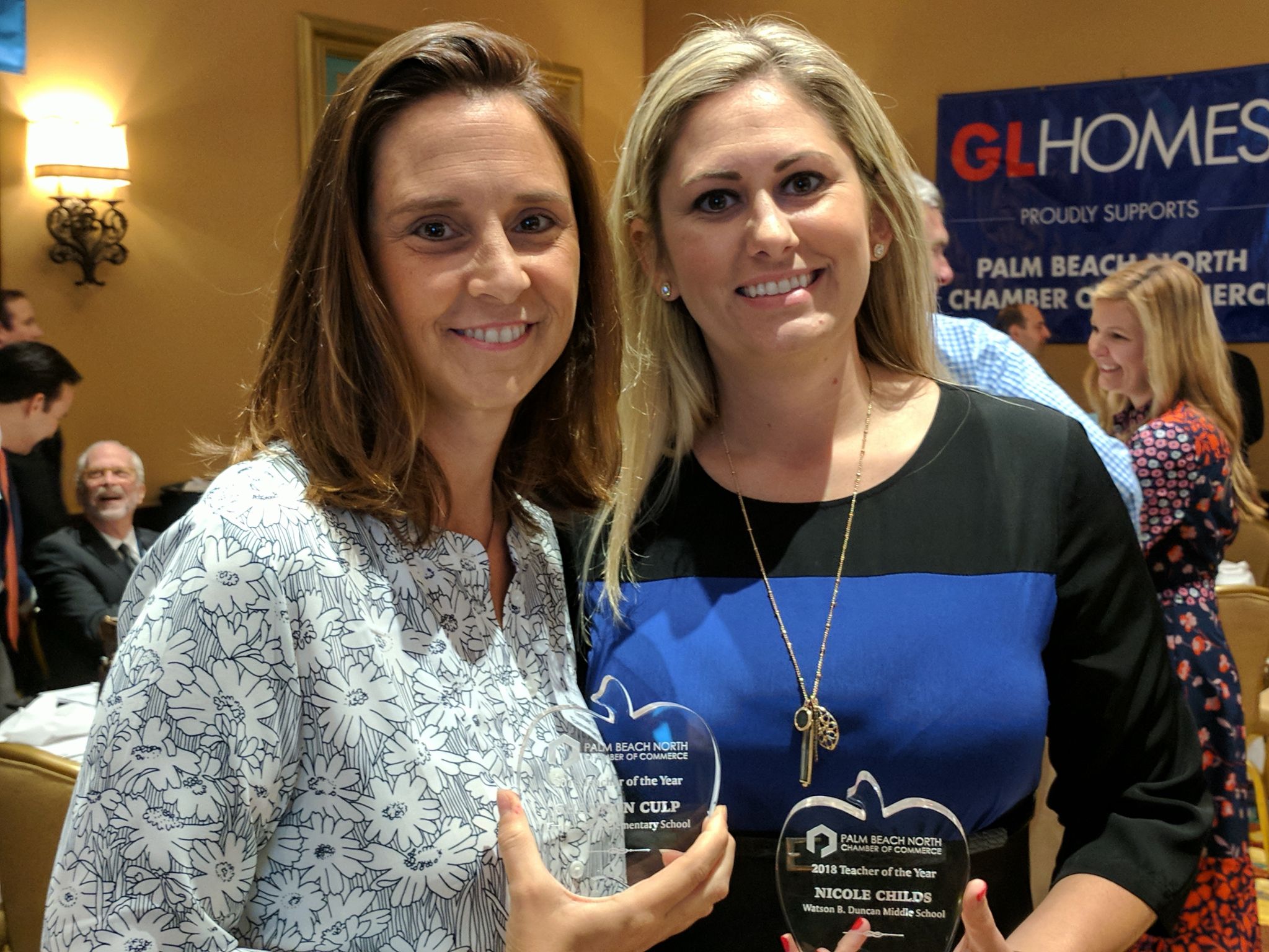
After 17 years working in education, afterschool programs, and professional development, I've come to believe that some of the best lessons about workplace culture and human-centered leadership don't start in boardrooms or corporate training programs. They start in classrooms. They start with educators.
Long before I was a culture and communication consultant, I was an educator. I taught marketing, business, and finance. I ran afterschool programs. I designed and led professional development for faculty and staff across a school district. I worked alongside leaders at every level of an organization and I trained the people responsible for training others. What I learned during those 17 years shaped everything I do today.
What 17 Years in Education Taught Me About People
Classrooms are cultures. Every single one of them. Walk into one room and you feel the energy immediately. People are engaged, they're willing to take risks, they ask questions without fear. Walk into another and you feel the opposite. Everyone is quiet in the wrong way. No one volunteers. People do the minimum and wait for it to be over.
The difference almost never comes down to the students. It comes down to the environment the educator built. The expectations that were set. The tone that was modeled from day one. Whether people felt safe enough to try something and fail, or whether failure felt like something to hide.
Psychological safety isn't a corporate term someone invented in a consulting firm. It's what good educators have been creating for generations. They just called it something different. They called it trust. They called it belonging. They called it showing up for your kids.
Long Before Workplace Culture, There Were Educators
Think about the educators who shaped you. Not the ones who just covered the material, the ones you actually remember. Chances are, what you remember isn't the curriculum. It's the way they made you feel. Whether they saw you. Whether they pushed you. Whether their room was a place you wanted to be.
That is workplace culture. Before we had language for employee engagement, before anyone was writing thought leadership pieces about psychological safety and organizational culture, educators were building it from scratch every September with a new group of people who didn't choose to be there.
They were doing it without a budget. Without a consulting contract. With thirty kids, a whiteboard, and whatever they could bring into that room on their own.
I learned more about leadership development from watching great educators work than I ever learned from a textbook. The ones who got it right were consistent. They were clear about expectations. They gave feedback that was honest and kind at the same time. They celebrated growth, not just results. And they understood that before anyone could do their best work, they needed to feel like they belonged in the room.
What Workplaces Can Learn From Educators
The best educators don't wait for the right moment to build culture. They build it daily, in the small interactions that most people don't even notice. The way they greet someone who walks in unsure of themselves. The way they respond when someone gets something wrong. The way they make it clear, again and again, that this is a place where growth is the point.
Workplaces have the same opportunity. Culture lives in the daily signals leaders send, whether they're aware of them or not. The way a manager responds when someone brings a problem to them. The way a new team member is brought in and made to feel like they belong. The way wins get recognized and effort gets acknowledged. Those moments, repeated consistently, build something real.
What educators have always understood is that people do their best work when they feel genuinely supported. Not just directed. Actually supported, in their growth, in their development, and in the confidence that the people around them are invested in their success.
That is human-centered leadership. Educators have been practicing it, imperfectly and beautifully, for generations. The teams that perform best are the ones where that same spirit shows up every day, and where leaders understand that connection is not a soft outcome. It is the foundation everything else is built on.
Why This Work Still Matters to Me
I think about my time in education a lot, especially now as a parent watching my own kids move through schools and classrooms and the educators who will shape them. That perspective never fully leaves you.
What drives my work at The Chief of Happiness is the same thing that drove me as an educator: the belief that every person deserves to be in an environment where they can actually thrive. Not just survive. Not just get through the day. Thrive, because the people around them are invested in making that possible.
That doesn't happen by accident. It happens when leaders commit to building it on purpose. When they show up consistently, set clear expectations, hold people accountable with care, and create an environment where everyone feels like they genuinely belong.
Educators figured that out long before the rest of us caught up. The best ones still remind me every day why this work matters and how much is possible when people feel like they genuinely belong.
Ready to build something better?