Some Places You Can Feel Before Anyone Explains Them
The Sweat Shoppe by Randi is one of those places.
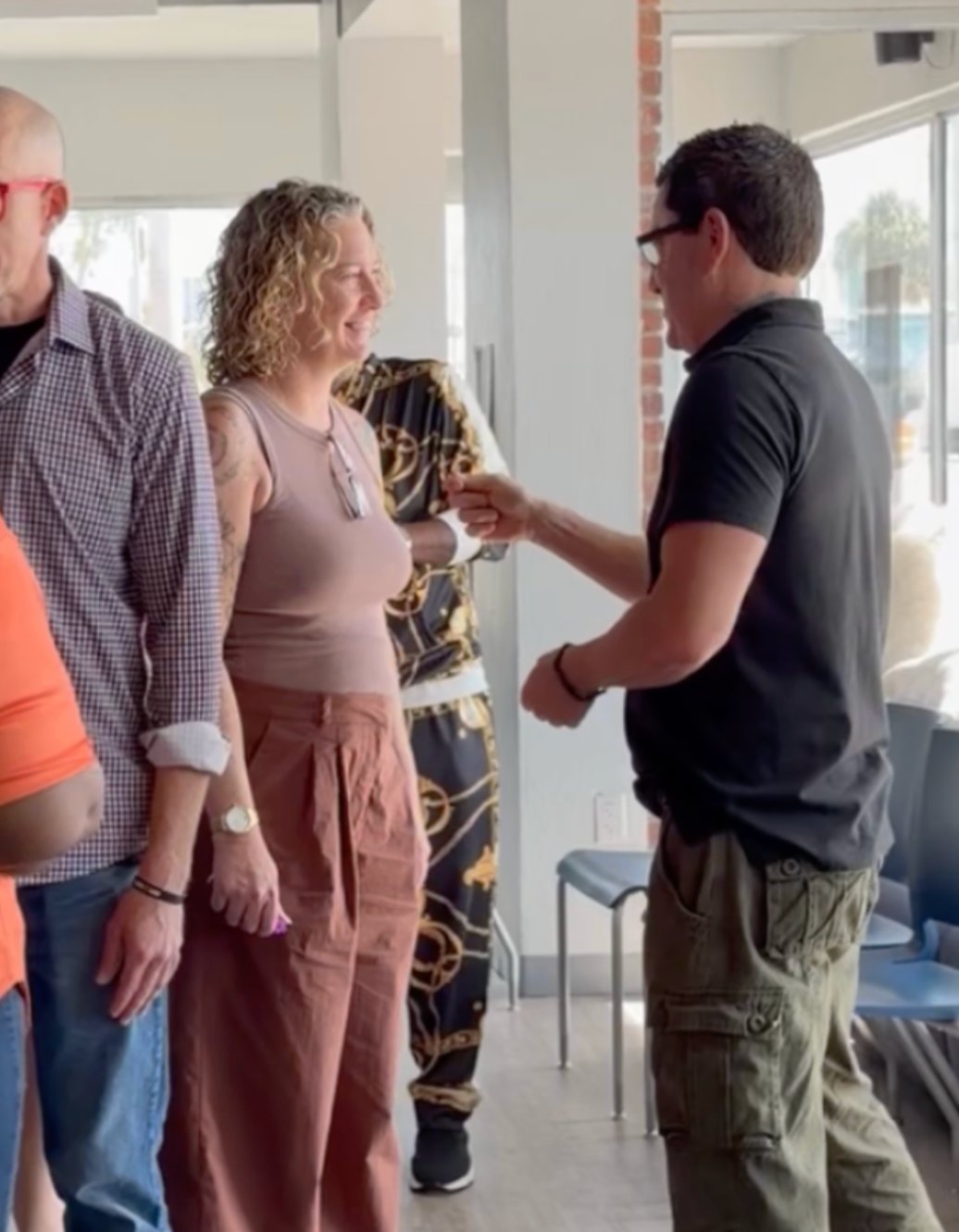
I recently visited the North Palm Beach fitness studio to take a HIIT class and talk with founder Randi Eisenshtat about workplace culture. The studio itself is beautiful, bright, and inviting. But the thing I noticed most was what happened around the workout.
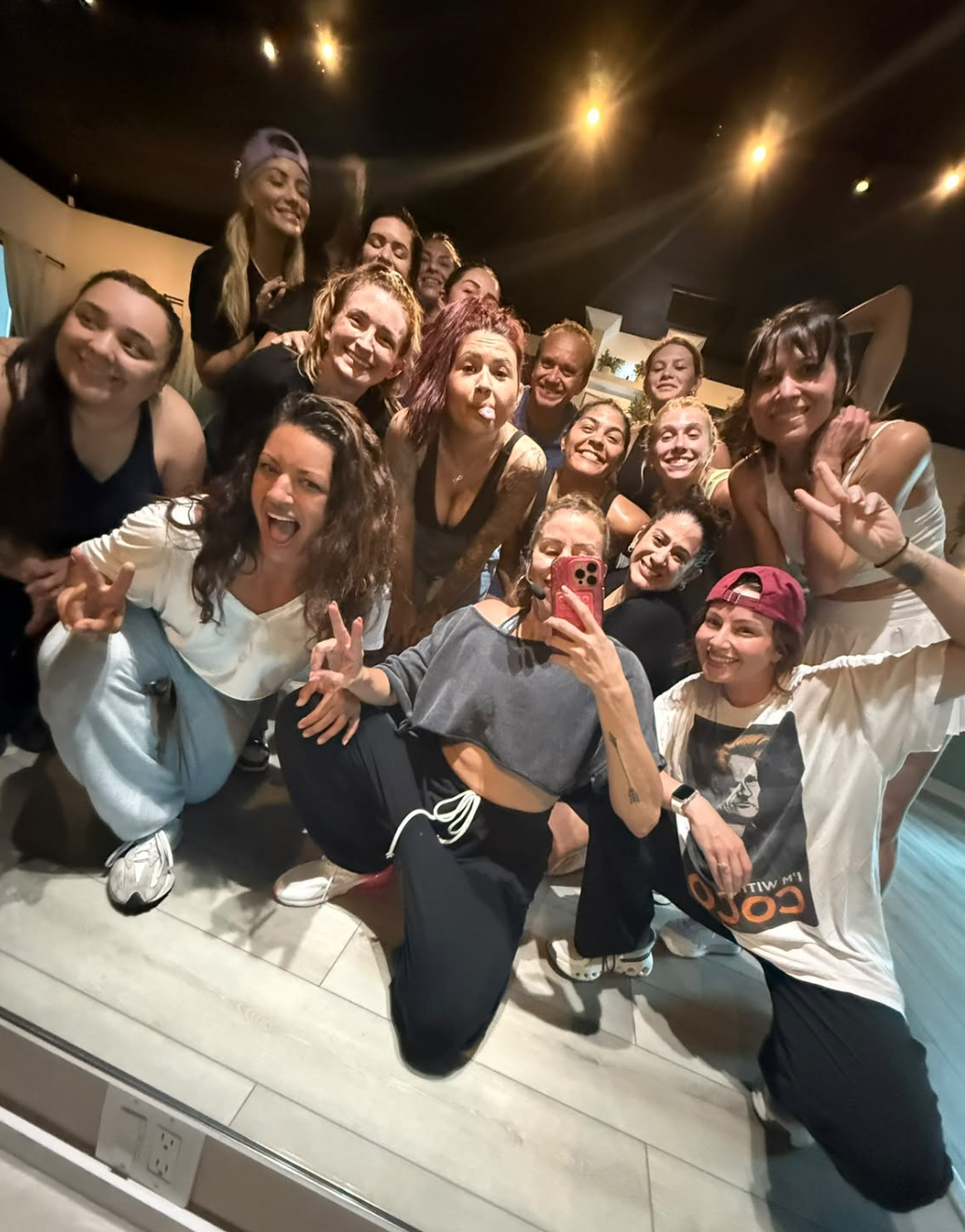
People talked to one another. They laughed. They stayed after class. The instructors and clients seemed genuinely happy to be there.
Randi told me she added a bench so people could sit, drink coffee, and talk after class. That detail says a lot about what she has built. The workout may bring people through the door, but the relationships give them another reason to come back.
That kind of community does not happen because a company writes "belonging" on its website. It happens because a leader creates the conditions for people to feel welcomed, trusted, supported, and part of something. And although The Sweat Shoppe is a fitness studio, the lessons inside it apply to nearly every workplace.
When the Team Feels Ownership, They Act Like Owners
The business has Randi's name on the door, but she does not want her instructors to experience it as a place that belongs only to her.
“Even though it's The Sweat Shoppe by Randi, and it's my business and I pay the bills here, my team feels like this is their studio too.”
Her instructors have keys. They use the studio outside their scheduled classes. They care for the floors and mirrors. They support the clients and one another. Randi wants them to feel they are building the business together, and that its success is also their success.
That distinction matters. There is a difference between giving someone a list of responsibilities and giving them a genuine sense of ownership. People are more likely to care for a place, improve it, and advocate for it when they believe their contribution matters. It is the same principle behind the small, everyday moments employees never forget: a bench, a set of keys, a manager who notices. None of it requires a budget, but it builds trust that a values poster never will.
Leaders sometimes say they want employees to "think like owners," while keeping every meaningful decision, idea, and opportunity tightly controlled. But ownership cannot be demanded. It grows when people are trusted, included, and given room to contribute.
Being Available Creates Trust, But Being Human Creates Loyalty
When I asked Randi what has made the biggest impact on the cultures she has led, she talked about availability. Her team knows they can reach her with a question, a concern, or something happening in their personal lives. That approach can blur boundaries, and Randi is honest about that tension. But she also believes it reduces the feeling of "them and us" that can make employees feel disconnected from leadership.
She understands the value of that support because she has experienced it herself. While working as a financial adviser, Randi went through a series of painful personal events. Her leaders gave her time, space, and someone willing to listen. They asked what she needed and how they could help. She has also experienced workplaces where that support was missing.
“If you feel like you're seen and you're heard by your direct leader or whoever it is that you report to, you won't leave that environment. Why would you leave that?”
Employees do not stop being human when they arrive at work. Their families, grief, health, fear, and responsibilities do not disappear because the day has started. Leaders cannot fix every problem, and they should not try. But they can acknowledge what someone is carrying. They can listen. They can offer grace. They can ask, "What do you need?" Those moments are easy to underestimate because they do not appear on a performance report. But they often become the moments employees remember most, and they are exactly the kind of behavior that helps someone feel they truly belong on a team.
Talent Matters, But the Person Carrying It Matters Too
Randi has spent more than 20 years in the fitness industry. She knows what excellent instruction looks like, but talent alone is not enough to earn a place on her team.
What Randi Looks For Before Talent
- ✓ Respectful
- ✓ Responsible
- ✓ Dependable
- ✓ Genuinely invested in the client experience
Being a talented instructor becomes the "it factor," but being a good person comes first. This is an important reminder for any growing organization. Leaders can become so focused on filling a skills gap that they overlook how someone will affect the people around them. Technical ability may get results in the short term, but one person who is unreliable, dismissive, or unwilling to work collaboratively can change the experience of an entire team.
Randi is proud of her instructors because they are excellent at what they do and because they care. That combination is what allows clients to experience the studio the way she intended. Culture is not only shaped by the person at the top. It is reinforced by every person invited onto the team.
“Them and Us” Is Old-School Leadership
When I asked Randi what advice she would give someone trying to create a healthier workplace, her response was immediate.
“The 'them and us' is so old school. It's us.”
She is still the owner. She pays the bills, makes difficult decisions, and carries responsibilities her instructors do not. A collaborative culture does not require pretending those differences do not exist. It means refusing to use hierarchy as a wall.
One of Randi's instructors is building her own fitness brand, offering classes, trainings, and events in other places. Randi does not treat that growth as a threat. She supports it. The instructor brings her program into The Sweat Shoppe, Randi gets to be part of its growth, and both women want the other to succeed. That is what partnership can look like inside a workplace. It is not competition disguised as teamwork. It is a leader who can say, "Go, girl, go," and mean it.
Healthy leadership is not about making yourself smaller or giving up accountability. It is about using your position to help other people grow too.
The Community Is the Result, Not the Slogan
Near the end of our conversation, Randi described women who arrived at the studio without knowing anyone and now go to dinner together after class. The clients span different ages, backgrounds, life stages, and fitness levels. What connects them is not simply exercise.
"It goes beyond the workout," she said.
She has watched women transform mentally and emotionally. She has seen their confidence and energy change. She is proud of the fitness experiences her instructors deliver, but she is equally proud of the community that has formed around them. That kind of closeness rarely comes from a forced exercise on a team-building calendar, the same reason so many people dread traditional icebreakers. It comes from repeated, ordinary experiences that show people they are welcome.
You may not need a bench and coffee after every meeting. But every organization needs places, practices, and leaders that make connection possible. The Sweat Shoppe feels special because Randi has intentionally made room for people. She trusts her team with the space. She values who they are, not only what they can produce. She supports their lives and ambitions. And she understands that the strongest communities are built together.
That is what workplace culture looks like when people can actually feel it.